


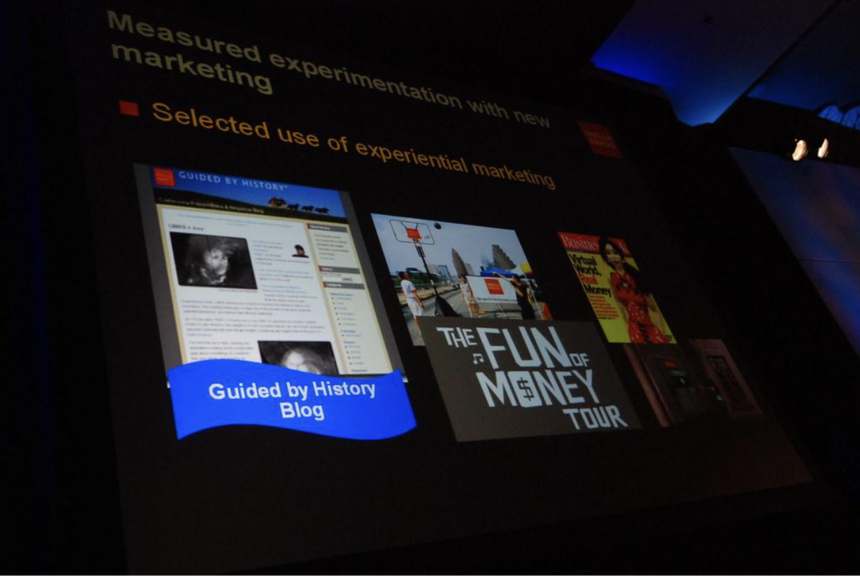
Marketing has steadily shifted from simply delivering messages to creating meaningful interactions. Audiences are no longer satisfied with passive exposure to ads; they want to engage, participate, and remember. This shift has led to the rise of experiential marketing, where brands design immersive experiences that leave lasting impressions rather than fleeting clicks.
Behind these experiences lies a combination of creativity and engineering. From mobile activation units to interactive installations, experiential campaigns rely on carefully fabricated environments that allow brands to meet consumers in real-world settings. This intersection of marketing and industrial design is what makes experiential strategies both impactful and scalable.
Understanding the Shift Toward Experience-Driven Marketing
Traditional marketing channels still hold value, but their effectiveness is increasingly tied to how well they connect with audiences on a personal level. Experiential marketing addresses this need by creating environments where consumers can interact directly with a brand. These interactions foster stronger emotional connections and often lead to higher levels of engagement.
The shift is also influenced by changing consumer expectations. People are drawn to experiences that feel authentic and memorable, rather than messages that feel repetitive or impersonal. This has encouraged brands to invest in campaigns that prioritize engagement over reach.
The Role of Fabrication in Experiential Campaigns
Turning Concepts into Physical Environments
Experiential marketing begins with an idea, but its success depends on execution. Fabrication transforms creative concepts into tangible environments that can be experienced firsthand. This process involves designing structures, integrating technology, and ensuring that every element functions as intended.
Precision is critical at this stage. Each component must align with the overall design, creating a cohesive experience that feels seamless to the user. Fabricators work closely with designers and marketers to ensure that the final product meets both aesthetic and functional requirements.
Balancing Creativity and Practicality
While creativity drives experiential marketing, practicality ensures its success. Structures must be durable enough to withstand repeated use, especially in mobile or outdoor settings. At the same time, they must remain visually appealing and easy to deploy.
Understanding cost and efficiency is also essential. Insights from this guide to profitability in metal fabrication highlight how careful planning and resource management can improve outcomes. These principles are directly applicable to experiential marketing projects, where balancing cost and quality is key.
Exploring the Benefits of Experiential Marketing for Brands
One of the most compelling reasons companies invest in experiential strategies is their ability to create lasting impressions. The benefits of experiential marketing for brands extend beyond immediate engagement, influencing brand perception and customer loyalty over time. When consumers participate in an experience, they are more likely to remember the brand and share that experience with others.
These campaigns also provide valuable data. By observing how people interact with a brand in real time, companies can gain insights that inform future strategies. This combination of engagement and data makes experiential marketing a powerful tool in modern campaigns.
Industry Trends Shaping Experiential Marketing
The evolution of experiential marketing is closely tied to broader industry trends. Advances in technology, materials, and manufacturing processes are expanding what is possible in terms of design and execution. These developments are enabling more immersive and interactive experiences.
Keeping up with these changes requires a strong understanding of industrial trends. Resources like insights into industrial technologies and processes provide valuable context on how innovation is shaping manufacturing and design. These insights help marketers and fabricators stay ahead of the curve.
Challenges in Experiential Marketing Execution
Despite its advantages, experiential marketing presents several challenges. Logistics can be complex, particularly for mobile activations that require transportation and setup in multiple locations. Ensuring consistency across different environments requires careful planning and coordination.
Another challenge is maintaining quality while scaling campaigns. As experiences become more elaborate, the risk of technical issues increases. This makes it essential to invest in reliable fabrication and thorough testing before deployment.
The Future of Experiential Marketing
Looking ahead, experiential marketing is expected to become even more integrated with technology. Augmented reality, virtual reality, and data-driven personalization are likely to play a larger role in shaping experiences. These tools can enhance engagement and provide deeper insights into consumer behavior.
Sustainability is also emerging as a key consideration. Brands are increasingly focused on reducing the environmental impact of their campaigns, leading to the use of reusable structures and eco-friendly materials. This shift reflects a broader commitment to responsible marketing practices.
Conclusion
Experiential marketing represents a fundamental shift in how brands connect with their audiences. By focusing on interaction and engagement, it creates opportunities for deeper and more meaningful connections. The success of these campaigns depends on a combination of creativity, engineering, and careful execution.
As the industry continues to evolve, the integration of fabrication and design will remain central to delivering impactful experiences. For brands willing to invest in this approach, experiential marketing offers a powerful way to stand out in an increasingly competitive landscape.
:contentReference[oaicite:0]{index=0}